





Offer solar energy with a touch of innovation
Smart home solar technology is revolutionizing home energy production. Thanks to technological advances in photovoltaics, homes can generate their own electricity directly from the sun, reducing their energy costs and helping to protect the environment.
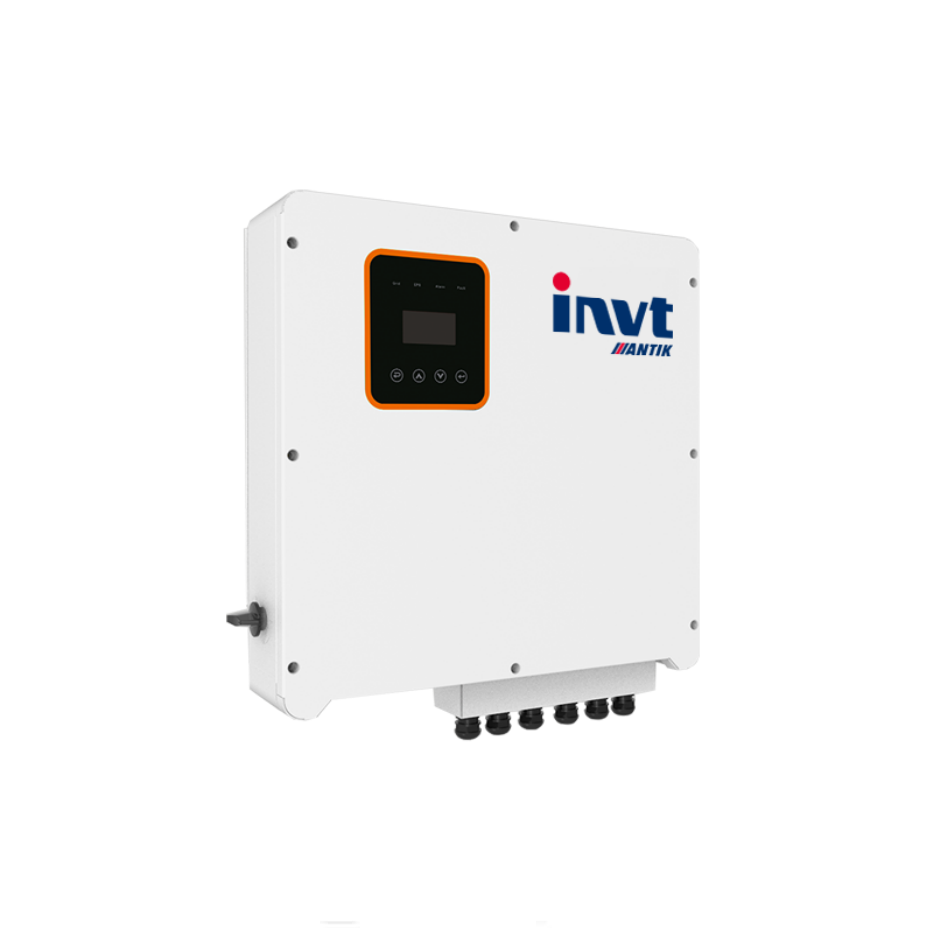

Intelligent photovoltaic solution for your project
If you are looking for an innovative and environmentally efficient solution for your future construction projects, we offer you a comprehensive energy platform that combines modern technologies and intelligent management.
Application integration helps in deciding how to proceed in situations of excess or shortage of energy. When the system produces excess energy, it is ideal to redirect this energy to practical purposes instead of wasting it.
Popular uses:
- solar water heating systems
- electric car charging
- heating of swimming pools and ensuring their filtration
- operation of irrigation systems
- drive of various motors and pumps
- lighting of public areas and roads

How do photovoltaic systems work?
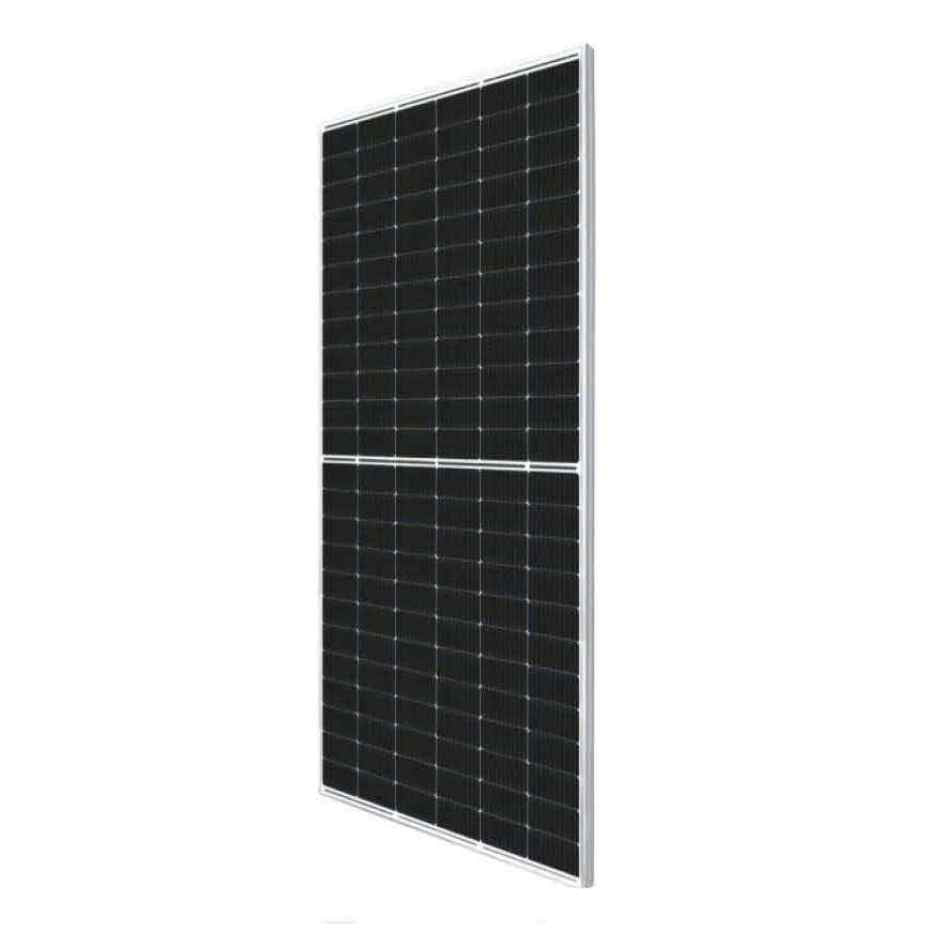
1. Solar panels (photovoltaic cells): These panels convert sunlight into electrical energy. When the sun's rays hit the photovoltaic cells in solar panels, they create free electrons, which leads to the creation of an electric current.
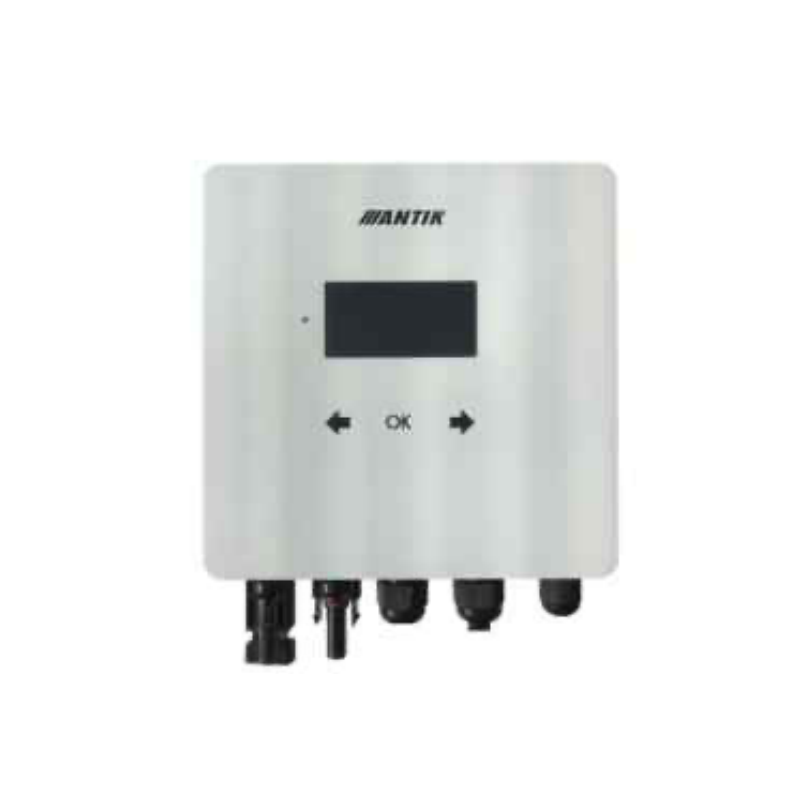
2. Voltage stabilizer (inverter): Most solar systems produce direct current (DC), while most homes and electric vehicles use alternating current (AC). An inverter converts the direct current obtained from solar panels into alternating current that you can use in your home or to charge your electric vehicle.
3. Battery for energy storage (optional): You don't always have to use all the energy your solar panels generate right away. If you have an energy storage system (such as a lithium-ion battery), you can store excess energy and use it later, such as at night or during periods when there is less sunlight.
4. Compatible interconnection system: To use solar energy for electric vehicle charging, water heating, or other devices, you need a compatible interconnection system. This system ensures that the solar energy obtained from the panels is properly distributed and converted to a suitable format.

Combining electromobility and solar energy
Combining electromobility with solar energy represents a new era of eco-innovation that has the potential to change the way we look at transportation and energy.
It is important for households to consider a solution combining electromobility with solar energy for several reasons:
- Economic savings
- Price stability
- Independence from traditional energy sources
- Increasing the value of real estate
- Investing in the future of our environment
- Low maintenance costs

Manage smart features in the app
The key element of the entire solution is a mobile application that allows users to monitor energy production, track savings and remotely control the system. Thanks to an intelligent interface and analytics, the application can advise on how to proceed in situations of excess or shortage of energy.
If excess energy is produced, the app suggests ideal ways to use it. This could be, for example, redirecting the energy to water heating, charging batteries for later use, or optimizing vehicle charging based on current solar energy production.

Solar water heating
Nowadays, many families are trying to minimize their energy costs while looking for sustainable solutions for their homes. The cost of hot water is one of the main expenses in many households.
Storing energy from solar panels for water heating is one of the most effective uses of this green technology. Once the water is heated, it can maintain its temperature for a relatively long time, allowing hot water to be used even when sunlight is not available. If the system is designed efficiently, hot water from such a system can last up to 24 hours.
Using modern technologies such as sensors and consumption prediction algorithms, the system can automatically regulate water heating depending on the current and expected needs of the household. For example, if the system predicts higher hot water consumption at a certain time of day (e.g. in the morning), it can pre-heat a larger supply of water.

Solar charger for electric car
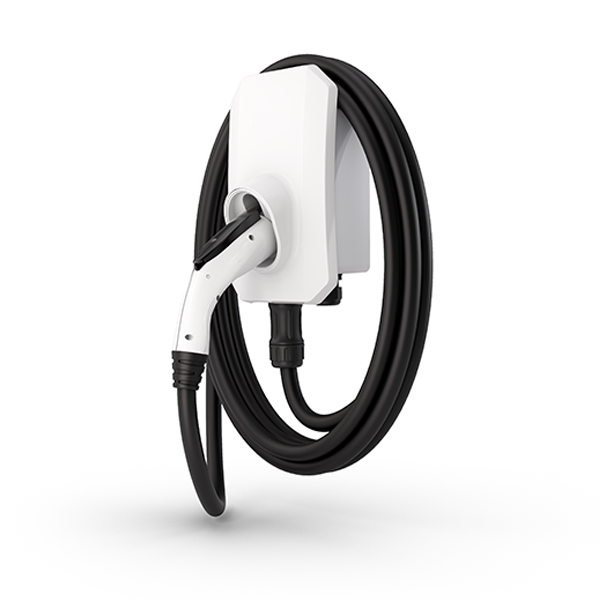
Current solar panel technology allows homeowners and businesses to harvest solar energy and convert it into electricity that can be used to charge electric vehicles. To charge an electric vehicle using solar energy, you need a compatible charging system (station). This station connects your electric vehicle to the solar system, allowing the vehicle’s battery to be charged.
How does it work in practice?
- When it's sunny, solar panels collect energy and convert it into electricity.
- This current can either be directly directed to the electric vehicle charging station (via an inverter), or it can be stored in an energy storage facility for later use.
- When you plug in your electric car to charge, the electric car's battery absorbs this energy and stores it for future use.

Other appliances
Many household appliances, such as refrigerators , freezers , or air conditioners , operate 24/7. Since these devices require a constant supply of power to maintain their functionality, they are ideal candidates for utilizing the excess energy that solar panels can produce.
When we look at refrigerators, these appliances can often be set to maintain a consistent internal temperature. However, with excess energy from solar panels, the refrigerator can be cooled more efficiently during times when power is available, reducing the need for energy during times after dark.

Scene: Solar night garden lighting
Create an automatic scene "Solar night garden lighting" that uses a smart multi-sensor (luminosity reading) and a solar switch for lighting. When the multi-sensor detects a drop in brightness indicating night, it activates the solar outdoor lighting, which automatically lights up the walkway or path. This lighting uses solar energy collected during the day, ensuring an ecological and energy-saving way to illuminate your exterior.

What to look out for when planning a project?
❗ Roof stability : Before installing solar collectors, it is essential to assess the stability and load-bearing capacity of the roof. Collectors can pose a significant load, especially when filled with water. Therefore, it is important to ensure that the roof can support this additional weight.
❗ Roof orientation and slope : The optimal orientation of solar collectors is towards the south (in the northern hemisphere) to capture the maximum amount of sunlight. The slope of the roof also affects the efficiency of the solar system. The ideal roof slope is between 20 and 60 degrees, however the specific ideal slope may depend on the geographical location.
❗ Integration with existing system : If you plan to integrate solar water heating with an existing heating or water heating system, you need to consider the compatibility of both systems.
Visit our showroom
We invite you to our showroom, where we will demonstrate solutions for your planned or existing construction.
Address:
Čárskeho 262/10,
040 01, Kosice
MON, WED, FRI: 8:00-16:30
TUE, THURS: 8:00-18:00
SAT,SUN: Closed

